
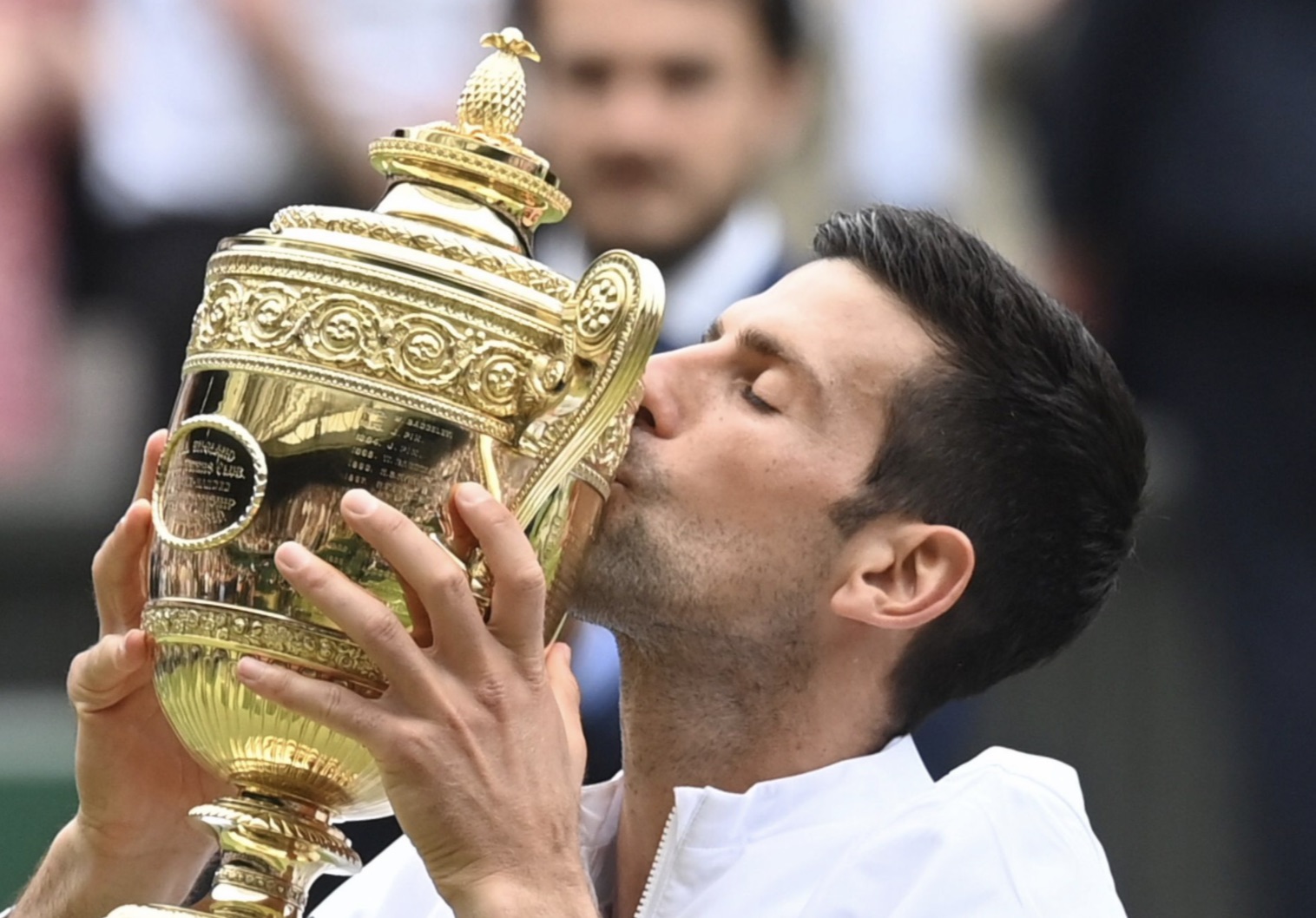
There’s a unique energy that buzzes around Wimbledon whenever Novak Djokovic walks onto Centre Court. I’ve experienced it year after year, match after match. The excitement shifts when he’s playing. It’s like the audience, the grass, and even the atmosphere are all ready for something remarkable. This year, as Djokovic aims for his eighth Wimbledon title and a historic 25th Grand Slam win, that energy seems even stronger, and maybe a bit bittersweet.
The Burden of the Past and the Cost of Time
Djokovic’s connection with Wimbledon feels almost legendary. I’ve seen him effortlessly move across the grass, transforming defense into offense with just a flick of his wrist, his gaze fixed in that well-known, intense focus. However, as he makes his comeback in 2025, there’s a sense of vulnerability we haven’t witnessed before. The past two years have seen him bested by Carlos Alcaraz, first in that memorable five-set battle, and then again in straight sets. For the first time, the king appeared human.
This season has felt like a struggle. The torn muscle in Melbourne and the tough loss to Sinner in Paris aren’t just physical hurdles; they serve as reminders that even the best aren’t spared by time. Djokovic has opted out of the grass-court warm-ups, a risky move that reflects his strong self-confidence and the challenges of recovering at 38. It seems like he’s saving his energy for one final, triumphant push for the title.
A Draw Full of Danger
This year’s draw is a tricky one. With Djokovic at the fifth seed, he could face early battles against Sinner, Alcaraz, or even a comeback Medvedev. It makes me reminisce about those epic matches, Djokovic’s incredible escapes, his skills in stepping up when it counts. But playing best-of-five on grass against a new wave of players who are quicker, more eager, and free from the weight of history? That’s a whole new challenge.
Sinner and Alcaraz have been sharing the majors ever since Djokovic last won a Slam. They play with a freedom and power reminiscent of Djokovic in his prime. As you watch them, it feels like the torch is being handed over but not without some resistance. There’s a certain poetry in the clash between the old guard and the new on the sport’s most revered stage.
Why Wimbledon Still Fits
If there’s a place where Djokovic can beat the odds, it’s definitely here. The grass plays to his incredible movement, his return skills, and his strategic brilliance. Even last year, right after knee surgery, he reached the final. I recall watching him during those two weeks, hobbling between points yet never giving up an inch. There’s a tenacity, a determination to hold on, that’s both uplifting and heartbreaking.
He’s been pretty candid about his ambitions, his wish to continue playing until the Los Angeles Olympics, and, above all, his passion for the game. That’s what makes this journey so fascinating. It’s not merely about breaking records or rivalries. It’s about a champion’s refusal to give in to what seems unavoidable, to keep faith in the impossible, even when everyone else is questioning if the end is coming.
What captivates me and many others about Djokovic’s journey isn’t solely the statistics. It’s the human aspect. The way he shares joy with his family, the tears he sheds in both triumph and loss, the instances of vulnerability that show he’s not just a robot. This Wimbledon, every point he plays carries significant weight: the chase for history, the resonance of former achievements, the looming uncertainty of what lies ahead.
As the tournament kicks off, I’m really hoping for one last miracle. It’s not that I don’t believe in the new generation, but there’s something incredibly special about seeing a legend battle for every bit of their legacy. The king is back, bruised but not broken. And if there’s any truth to the magic of Centre Court, don’t be shocked if Djokovic pulls it off one more time. Everyone will be watching, me included, with my heart racing, enjoying every second of what might be the final chapter of greatness.