
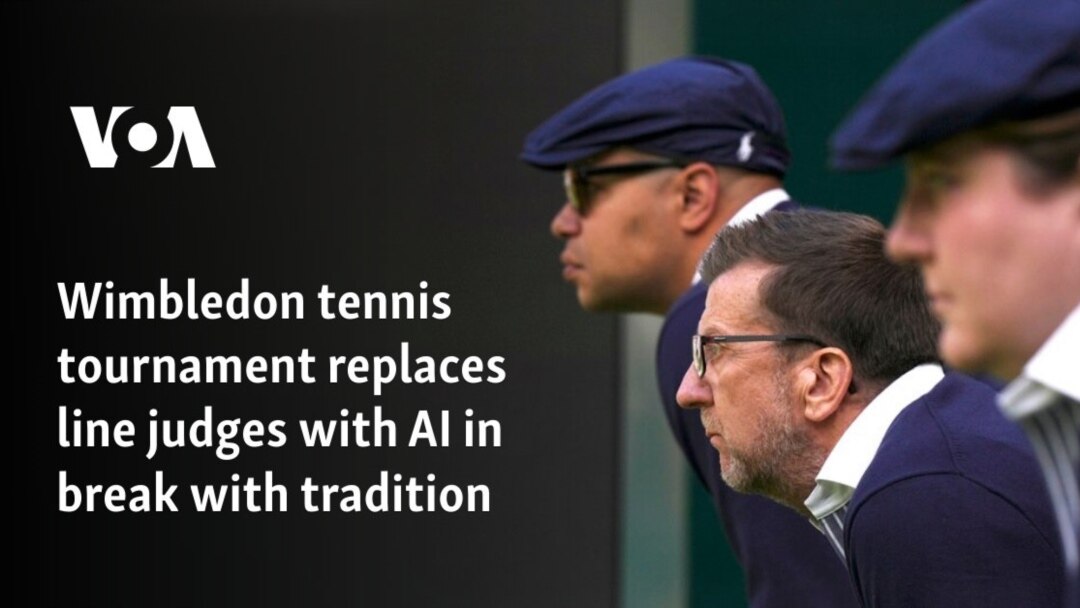
As a fan and analyst of tennis, seeing Wimbledon decide to swap out its legendary line judges for AI technology starting in 2025 feels like a major turning point in the sport’s development. After 147 years of tradition, the All-England Club is stepping into a future where accuracy, fairness, and tech innovation are at the forefront, changing the biggest stage of tennis forever.
The End of an Era: Human Line Judges Bow Out
For almost 150 years, the line judges at Wimbledon have been a key part of what makes the tournament so charming and traditional. Dressed in their classy uniforms, these officials are tasked with calling “out” or “fault” with keen eyesight and fast reflexes, bringing a human touch to the officiating of the game. While their decisions have occasionally led to some drama and debate, their role has always been integral to the spirit of the tournament.
Sally Bolton, the Chief Executive of the All-England Club, has admitted that getting rid of line judges was bound to happen due to the rise of technology and the need for top-notch accuracy in officiating. This choice shows a thoughtful mix of respecting tradition while welcoming new ideas, acknowledging the important role of line umpires but also focusing on keeping the sport’s integrity intact.
Why AI? The Quest for Accuracy and Fairness
The shift to AI-driven line calling comes from the aim to reduce human mistakes, which, even with the line judges doing their best, can affect match results and players’ careers. The AI system planned for Wimbledon enhances the current Hawk-Eye technology, which has been utilized for years to follow ball paths and help with line calls. This updated version uses sophisticated algorithms and a setup of 12 high-speed cameras positioned around the courts to track ball landings in real time with unmatched accuracy.
This tech has already shown its worth at other Grand Slam events. The Australian Open embraced AI line calling on all courts back in 2021, and the US Open jumped on board during the COVID-19 pandemic, running without line judges and depending entirely on electronic line calls. Wimbledon’s move indicates a wider trend in pro tennis to use technology for better fairness and fewer arguments.
From a player’s viewpoint, AI line calling provides steady and impartial decisions, making sure that each point is judged with top-notch accuracy. This reliability can lessen the mental pressure from disputed calls and possible disruptions, enabling players to concentrate better on their game.
For fans, this change might first seem like a loss of tradition, the recognizable voices of line judges and their quick calls have been a staple of the Wimbledon vibe for ages. However, the potential for fewer arguments and more seamless matches could improve the viewing experience, making the game feel more fluid and just.
The Technology Behind the Transformation
The AI system at Wimbledon represents a cutting-edge advancement in ball-tracking tech. It employs machine learning algorithms that have been trained on extensive data sets to pinpoint the precise location where the ball lands in relation to the court lines. The cameras record from various angles at high frame rates, providing real-time data to the AI, which allows it to make immediate calls on whether the ball is “in” or “out.”
This system is built to be strong and dependable, having gone through thorough testing during the 2024 tournament. The All-England Club is confident that the technology is now “strong enough” to completely take over the role of human line judges.
Being someone who really gets tennis history, I totally feel the mixed feelings about this change. Wimbledon isn’t just any tournament; it’s a representation of tennis tradition. The choice to get rid of line judges shakes up the long-standing views on what makes Wimbledon unique.
However, sports need to change. The use of AI shows a dedication to fairness and advancement. It also reflects larger societal changes where technology boosts human abilities and minimizes mistakes. In tennis, where even millimeters can determine the outcome of matches, this level of precision is crucial.
Wimbledon’s decision to replace line judges with AI technology is a groundbreaking and transformative moment for tennis. It’s a daring step that emphasizes accuracy, fairness, and efficiency, all while carefully respecting the sport’s deep-rooted traditions. This change not only showcases the evolving nature of sports officiating but also reinforces Wimbledon’s position as a pioneer in adopting innovation while staying true to its essence.
As we get ready for the 2025 Championships, I can’t wait to see how this mix of human enthusiasm and artificial intelligence will take the game we love to new heights. The future of tennis officiating has arrived, and it looks to be just as exciting as the sport itself.